Longevity Medicine: What Science Says About Living Longer
By drvadmin
The Difference Between Living Longer and Living Well
We often fixate on the number of candles on our birthday cake, viewing age as a simple chronological fact. Modern science tells a different story. The rate at which you age is not strictly defined by the calendar, nor is it entirely written in your DNA. There is a profound difference between lifespan (how long you live) and healthspan (how many of those years are spent in good health, free from chronic disease or disability).
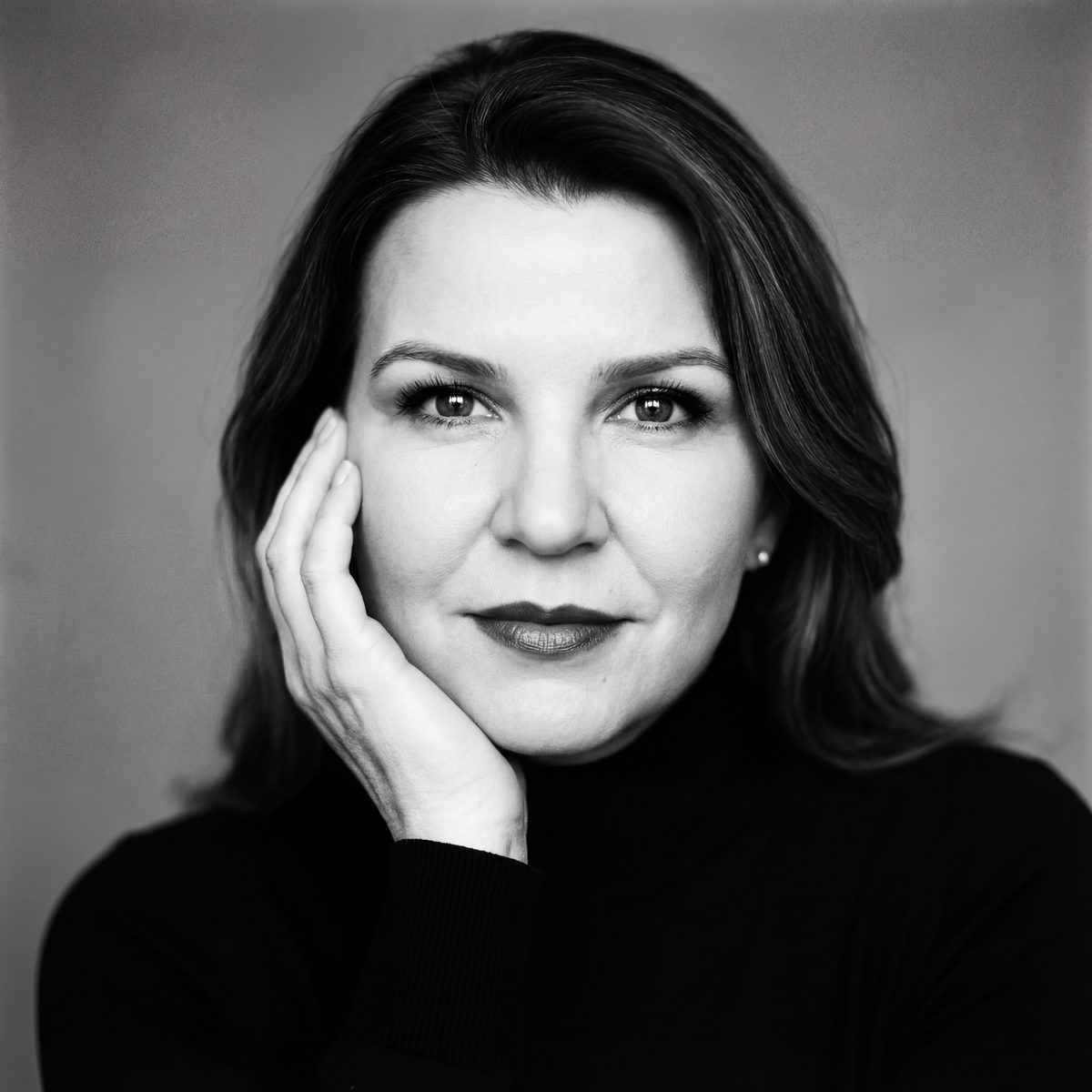
As a board-certified Internal Medicine physician, I see patients every day who are not just looking to survive to 90. They want to thrive at 90. They want the mobility to travel, the cognitive sharpness to engage with their grandchildren, and the energy to pursue their passions. This is the core of longevity medicine. It is not about biohacking your way to immortality or relying on unproven supplements. It is a disciplined, science-based approach to delaying the onset of age-related decline.
At my practice at Kelsey-Seybold Clinic in Sugar Land, we focus on actionable, evidence-driven strategies that optimize your biology. Here is what the latest research actually says about living longer and, more importantly, living better.
What Is Longevity Medicine?
Longevity medicine represents a shift from reactive healthcare, treating diseases after they appear, to proactive, preventive healthcare. Traditional medicine excels at managing acute illness, but longevity science aims to target the underlying drivers of aging itself.
Biological aging is driven by specific interacting processes, often referred to as the “hallmarks of aging.” These include chronic inflammation (often called “inflammaging”), metabolic dysfunction, mitochondrial decline, and oxidative stress. By addressing these mechanisms early, we can slow the biological clock. This is not science fiction. It is the application of rigorous internal medicine principles to optimize health rather than just manage sickness.
Genetics vs. Lifestyle: Who Is in Control?
One of the most common misconceptions I hear in the clinic is, “My parents had heart disease, so I probably will too.” While family history is important, it is not your destiny.
Research from the Danish Twin Registry and other large population studies indicates that genetics accounts for only about 20 to 30 percent of the variation in human lifespan. That means roughly 75 to 80 percent of your longevity is determined by your lifestyle and environment. Large cohort studies, such as the Nurses’ Health Study and the Framingham Heart Study, demonstrate that healthy lifestyle patterns can add more than a decade of life expectancy.
This is empowering news. It means the choices you make regarding diet, movement, sleep, and stress management have a profound impact on your biological age. While you cannot change your DNA, you can change how your genes express themselves through epigenetics. Factors such as avoiding smoking, managing chronic stress, sustaining strong social relationships, and maintaining healthy metabolic function account for far more variation in longevity than supplements, and often more than genetics.
The Pillars of Science-Backed Longevity
While the internet is flooded with million-dollar biohacking protocols and extreme regimens, the interventions with the strongest evidence are often the most fundamental. A 2025 study involving UK Biobank participants found that small, combined improvements in sleep, exercise, and diet could add over nine years of healthy life. The minimum effective doses were modest, proving that consistency beats intensity every time.
Metabolic Health and Nutrition
Metabolic health, specifically maintaining stable blood sugar and a healthy weight, is perhaps the single most critical factor in longevity. Insulin resistance is a gateway to almost every major chronic disease, including type 2 diabetes, heart disease, and cognitive decline.
There is no one-size-fits-all longevity diet, but the data points consistently toward nutrient-dense, minimally processed eating patterns. The Mediterranean-style approach, rich in vegetables, fruits, whole grains, legumes, healthy fats like olive oil, and lean proteins, remains the gold standard for reducing cardiovascular risk and supporting cellular stability. Strategic fasting, such as giving your body a 12 to 14 hour break from food overnight, can activate autophagy, a cellular cleanup process that removes damaged components. Prioritizing adequate protein at each meal becomes increasingly important as we age, since our bodies become less efficient at processing protein, leading to muscle loss if intake is insufficient.
Movement as Medicine
If exercise could be packaged into a pill, it would be the most powerful anti-aging drug on the market. Physical activity is one of the strongest predictors of survival. However, we need to look at two specific types of training.
Zone 2 cardio is steady-state aerobic exercise where you can maintain a conversation but feel slightly breathless. It improves mitochondrial efficiency, allowing your body to burn fat for fuel and improving overall metabolic flexibility. Strength training is equally essential. Muscle is the organ of longevity. It acts as a glucose sink, helping to regulate blood sugar, and produces signaling molecules called myokines that reduce systemic inflammation. Grip strength and leg strength are independently associated with lower mortality rates.
You do not need to train like an athlete. Consistent walking, gardening, or swimming contributes to the physical activity required for metabolic health. The key is to avoid sedentary behavior and keep the body moving throughout the day.
The Non-Negotiable Necessity of Sleep
In our busy culture, sleep is often the first thing sacrificed. From a longevity medicine perspective, this is a critical error. Sleep is when the body repairs DNA, clears metabolic waste from the brain via the glymphatic system, and regulates hormones like cortisol and insulin.
A study published in Nature Communications found that adults sleeping six hours or less at age 50 and 60 faced a 30 percent higher risk of dementia later in life compared to those averaging seven hours. Improving sleep hygiene, such as darkening the room, cooling the temperature, maintaining consistent schedules, and viewing morning sunlight to set your circadian rhythm, is a medical intervention as powerful as many pharmaceuticals.
Stress and Social Connection
Chronic stress keeps the body in a state of fight-or-flight, flooding the system with cortisol. Over time, this suppresses the immune system and accelerates cardiovascular aging. Loneliness is as significant a mortality risk factor as smoking. Sustaining strong social relationships and having a sense of purpose are hallmarks of the world’s longest-lived populations.
Navigating Supplements and Biohacks
The global anti-aging market continues to grow, and with it comes a wave of supplements promising to reverse the clock. Patients often ask about NAD+ boosters, resveratrol, or newer longevity molecules. While the science is evolving, a balanced perspective is essential.
Supplements are supplemental. No amount of supplements can fix a broken diet or a sedentary lifestyle. The fundamentals must come first. While compounds like Vitamin D3, Omega-3 fatty acids, and Magnesium have robust safety and efficacy data, many newer longevity molecules are still in early research stages regarding human efficacy. What works for one person may be ineffective or even harmful for another based on their kidney function, liver health, or current medications.
I always advise against starting a complex supplement stack without consulting a physician. At our Sugar Land clinic, we review your current regimen to ensure safety and check for interactions.
The Longevity Pyramid: A Structured Approach
To make sense of the vast amount of information available, it helps to visualize longevity medicine as a pyramid.
Level 1: Prevention and Early Detection. This is the base. It involves advanced lipid panels, cancer screenings, and monitoring blood pressure. You cannot optimize your health if you are missing a silent disease process.
Level 2: Lifestyle Intervention. This is the daily work: nutrition, sleep, and exercise.
Level 3: Personalized Optimization. This is where we look at hormone optimization, specific nutrient deficiencies, and targeted interventions based on your unique biochemistry.
Many people try to jump to Level 3 without securing Levels 1 and 2. True longevity requires a strong foundation.
Why “Wait and See” Does Not Work
The traditional medical model is often reactive. You wait until your A1C hits 6.5 to treat diabetes. You wait until blood pressure reaches 140/90 to treat hypertension. Longevity medicine is about intervening when the trends first start to slip. We want to catch insulin resistance before it becomes diabetes. We want to address arterial health before plaque accumulates.
Your 40s and 50s are high-leverage decades. This is the window where proactive changes yield the highest return on investment for your future health. However, it is never too late to start. Even in your 60s, 70s, or 80s, improving muscle mass and nutritional quality can drastically improve your quality of life.
Start Your Journey in Sugar Land
Living longer is a goal, but living well is a plan. It requires strategy, consistency, and a partner who understands the medical science behind healthy aging. I am passionate about helping my patients in Sugar Land and the greater Houston area navigate the noise of the wellness industry. Together, we can build a personalized roadmap that focuses on the metrics that matter most for your long-term vitality.
If you are ready to move beyond standard check-ups and take a proactive approach to your future health, I invite you to visit me at Kelsey-Seybold Clinic. Let us work together to ensure your later years are your best years.
—
Medical Disclaimer: This article is for informational purposes only and does not constitute medical advice. Always consult with a qualified healthcare provider for personalized medical guidance. To schedule an appointment with Dr. Vuslat Muslu Erdem, call (713) 442-9100.